 Vinyl-Professionals Windows and DoorsSince 2001

Expert Advice · Since 2001
Frequently Asked Questions
Explore answers and practical guides about windows, entry doors, patio doors and 3-season porch enclosures.
Vinyl Professionals
Questions & Helpful Guides
Choose a question to read the complete post below. All answers open on this page.
Why Plexiglass & Polycarbonate Roofs Are Not Recommended in Canada
Why Plexiglass or Polycarbonate Roofs Are
Not Recommended for Canadian Weather
These materials may look clean and modern, but polycarbonate roof problems in Canada often appear over time. It’s rarely one single failure — more often a combination of cold, snow, movement and aging working together until problems show up.
Cold Makes Materials Brittle
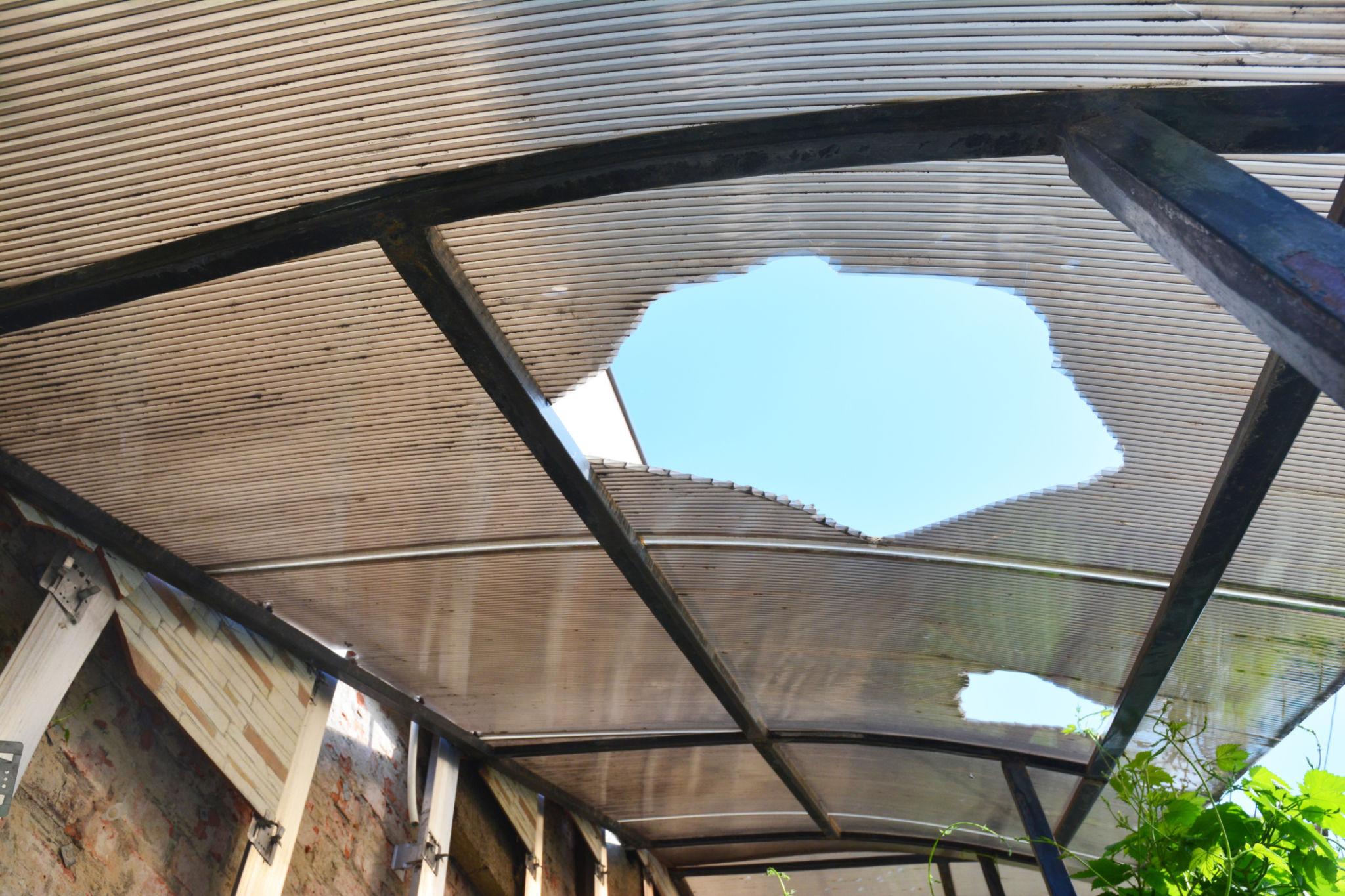
Plexiglass becomes significantly more rigid in cold temperatures and loses its ability to flex. Instead of bending under load, it can crack under snow weight, ice expansion or even minor impacts. Polycarbonate is stronger, but over time freeze-thaw cycles and constant exposure still lead to fatigue and reduced durability.
Failures are rarely immediate. Materials weaken gradually, then one cold night or additional load can cause sudden cracking.
Snow Load Is Heavier Than Expected
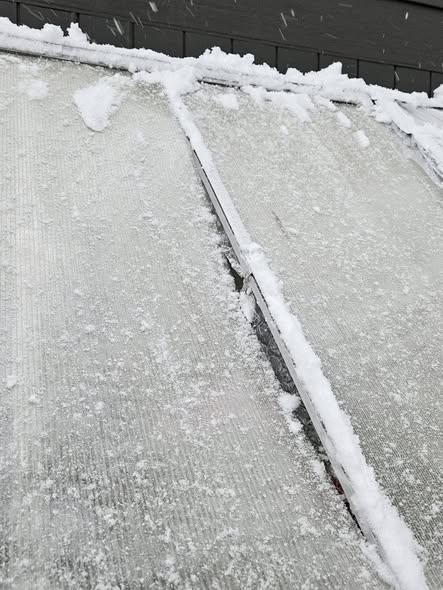
Wet Canadian snow adds significant weight very quickly. Clear plastic panels tend to flex and bow under that load, especially if the structure isn’t overbuilt.
Unlike metal roofing, snow does not shed easily from these surfaces. It sits, builds up and transfers stress directly into the panels and connection points.
Thermal Expansion Causes Movement
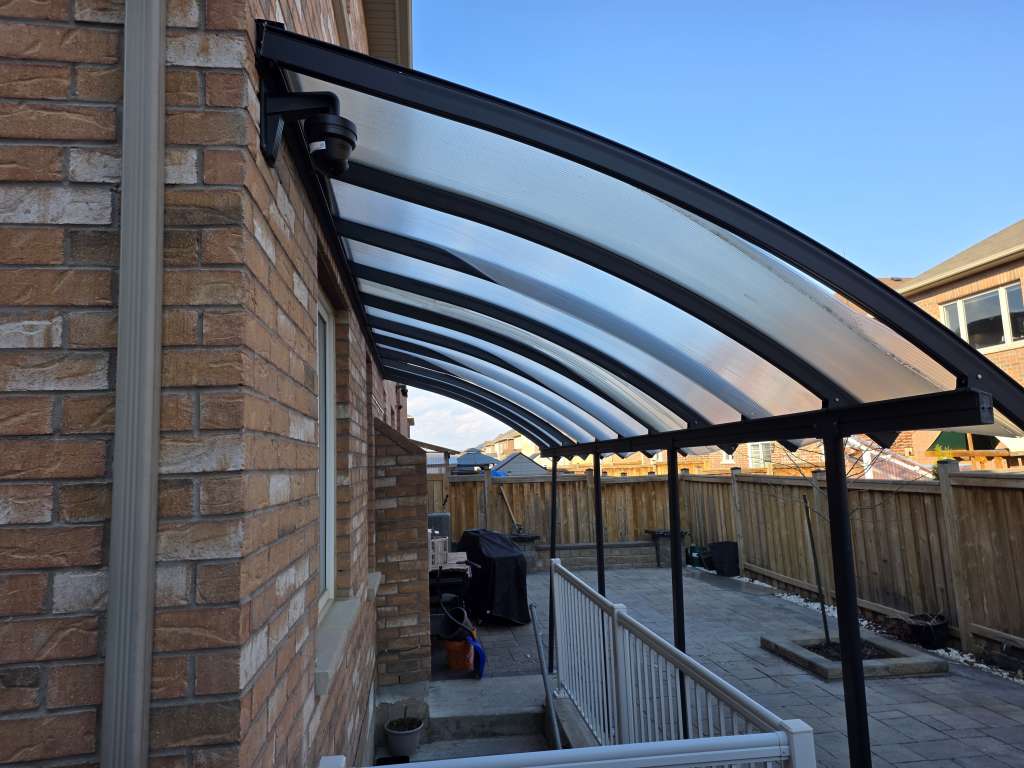
Plastic expands and contracts much more than aluminum or glass. In Canadian conditions, where temperatures swing from deep cold to summer heat, this creates constant movement.
Over time this leads to loosening at fasteners, small gaps, warping and eventually cracking around stress points.
UV Exposure and Aging
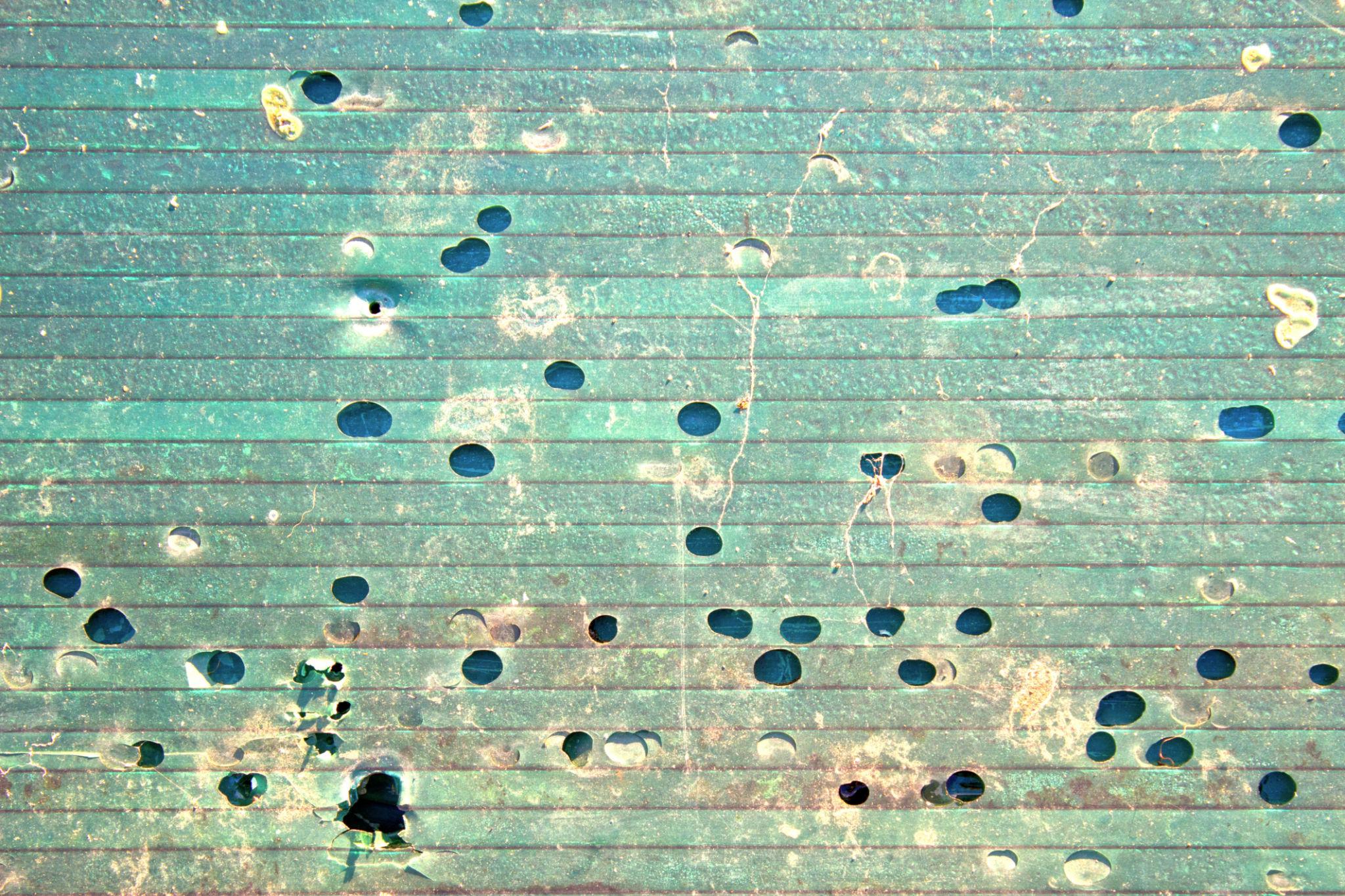
Over time, UV exposure causes panels to yellow, lose clarity and develop micro-cracks. This not only affects appearance but also gradually reduces structural strength.
Condensation and Ice Issues
These roofs tend to trap moisture, leading to condensation buildup. In winter, this can freeze and create ice layers, affecting both comfort and usability.
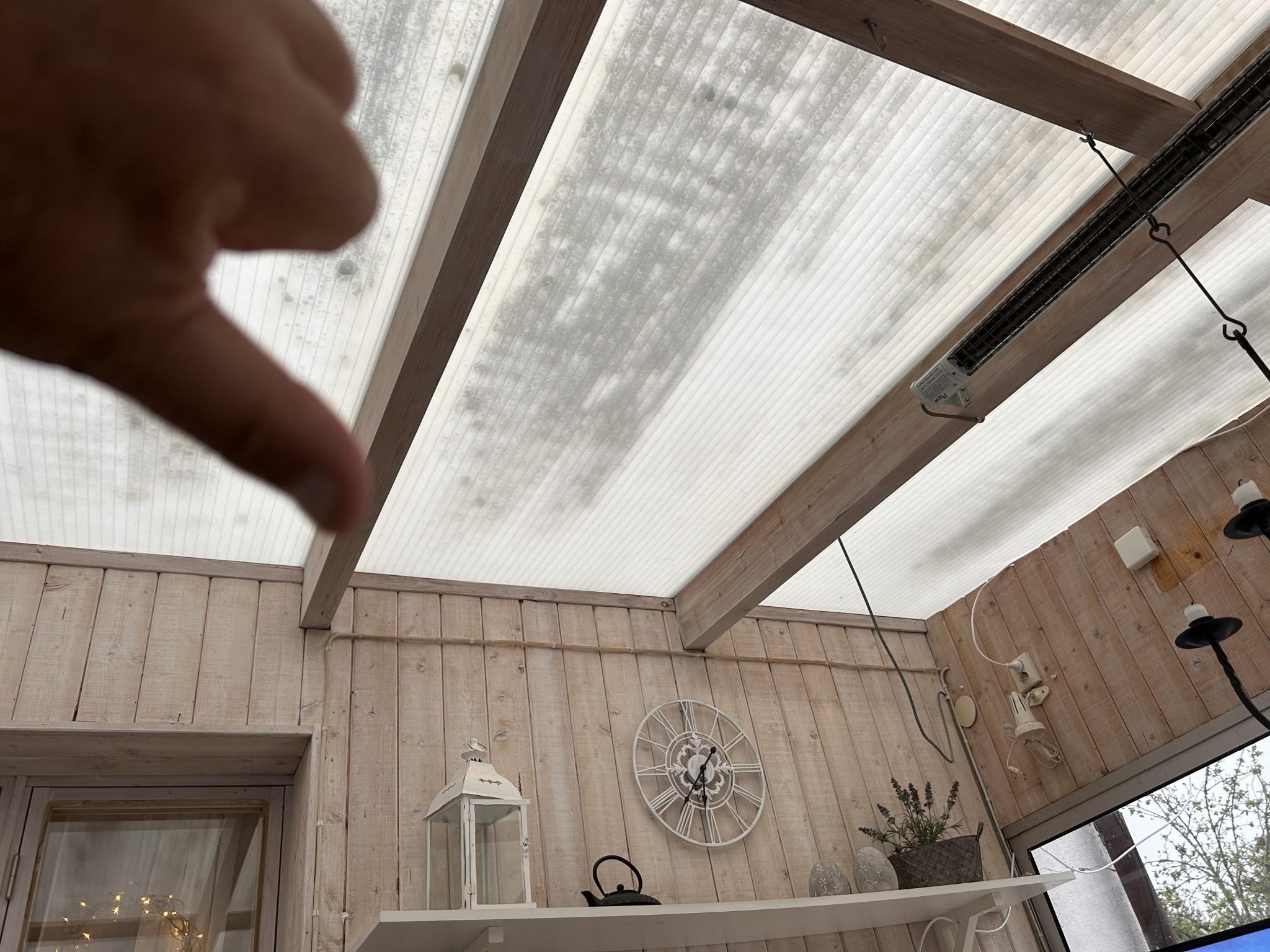
Often the Weakest Part of the Build
Even with a solid aluminum frame and well-built enclosure, a plastic roof often becomes the weakest link. It may start strong, but over time it tends to show wear sooner than the rest of the structure.
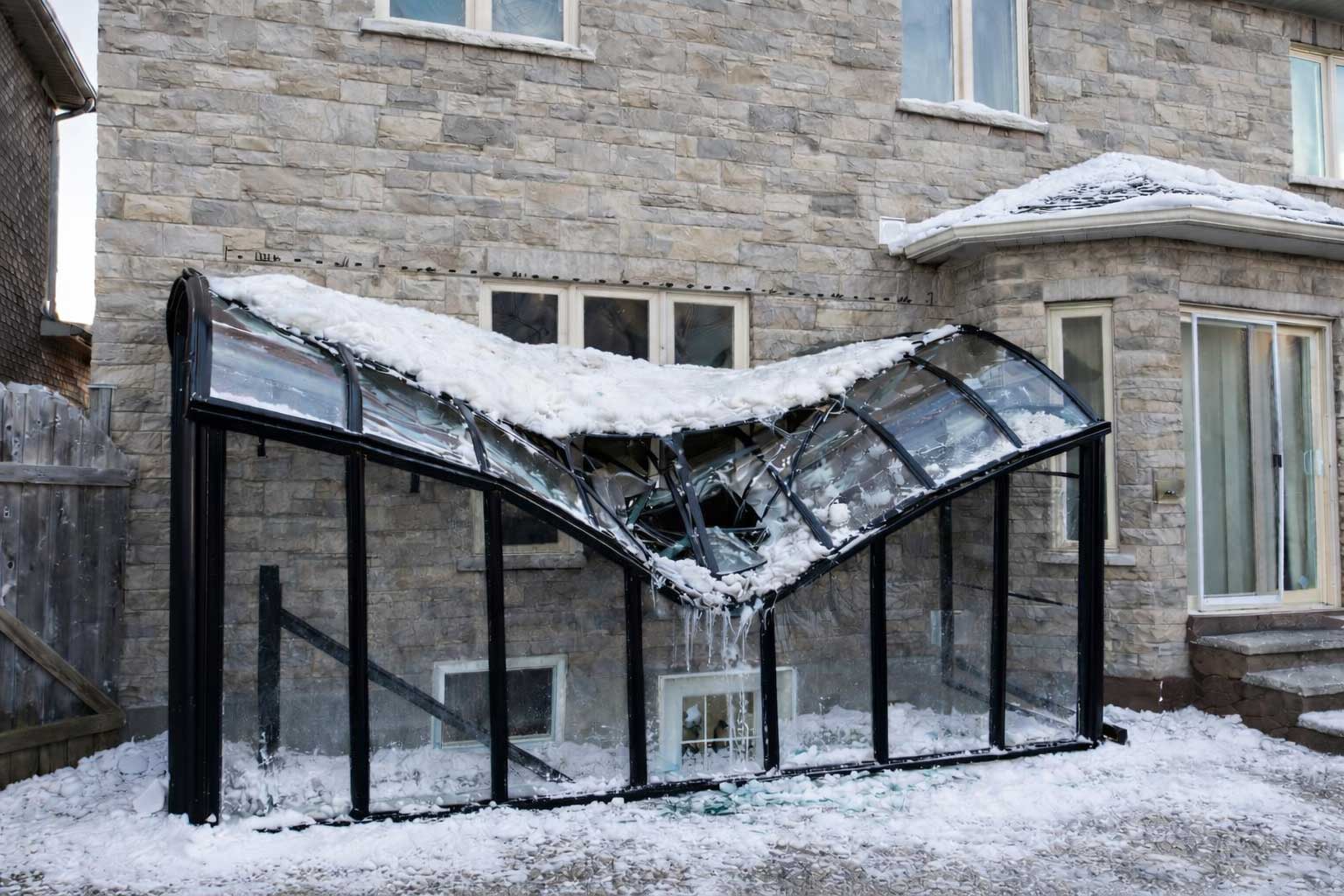
What We Recommend Instead of Polycarbonate Roofs
For better year-round durability, weather protection, and long-term performance, we typically recommend stronger porch enclosure roof systems that are better suited for Canadian conditions.
Request a Free Quote
Tags:
canadian weather roofing, clear roof panels, plexiglass roof issues, polycarbonate roof problems, porch enclosure design, porch enclosure roofing, roof material comparison, snow load roof damage
What are the Disadvantages of Frameless porch enclosures.
Disadvantages of Frameless Glass Porch Enclosures
A frameless glass porch enclosure can create a sleek, modern appearance and provide wide, open views. But before investing in one, homeowners should understand the trade-offs. While these systems may look elegant, they do not always provide the same durability, protection or long-term value as traditional framed porch enclosures.
Below are some of the most important disadvantages to consider before installation.

Higher Cost
One of the biggest disadvantages of a frameless glass porch enclosure is the higher upfront cost. Frameless systems require thicker tempered safety glass, specialized hardware and precision installation, which significantly increases the overall price.
In many cases, frameless porch enclosures can cost up to three times more than traditional framed porch enclosure systems, making them a less budget-friendly option for many homeowners.

Potential for Water Leaks and Insects
Unlike framed systems, frameless porch enclosures do not include full frames, seals, or insulation materials designed to block water, snow or wind. As a result, these systems rely heavily on extremely precise installation to minimize leaks.
The absence of tight seals may also allow insects such as bees, flies, and mosquitoes to enter the enclosure, reducing comfort during warmer months.
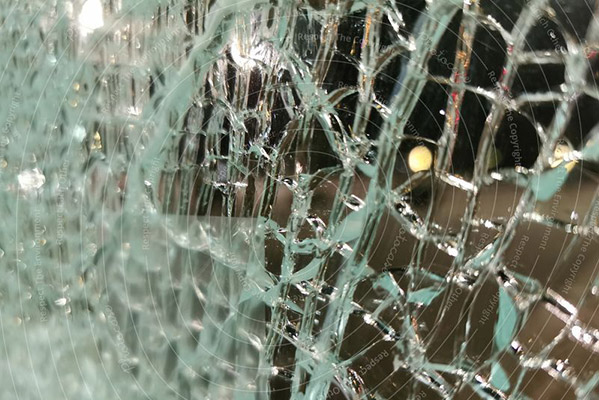
Glass Damage or Shattering Risk
While frameless panels use tempered glass, the overall system may not be designed to handle extreme wind loads, freezing temperatures, or severe weather conditions as effectively as framed porch enclosure systems.
In colder climates such as Ontario, where snow, wind and temperature swings are common, the glass panels and hardware may face more stress over time, increasing the risk of cracking, damage or failure.
Limited Ventilation and Heat Build-Up
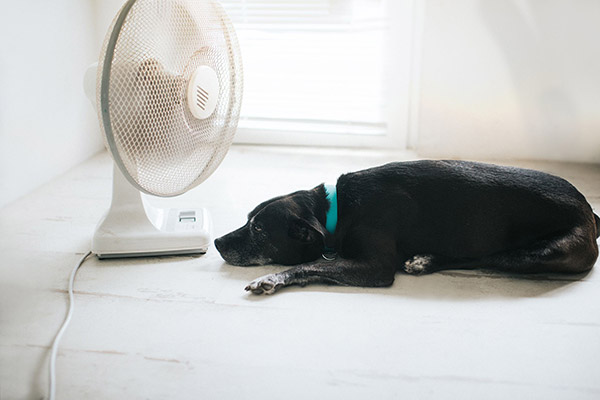
Large glass panels allow significant sunlight into the enclosure. While this creates a bright and open feel, it can also lead to excessive solar heat gain during the summer.
Because most frameless porch enclosures do not include operable windows or strong ventilation options, hot air can become trapped inside, making the space less comfortable to use.

Limited Warranty Coverage
Another important factor is the limited warranty offered with many frameless glass porch enclosure systems. In many cases, warranties cover only up to five years, especially for hardware and installation components.
Compared to traditional vinyl window porch enclosures, which often include longer warranty coverage, this can create a higher long-term risk for homeowners.
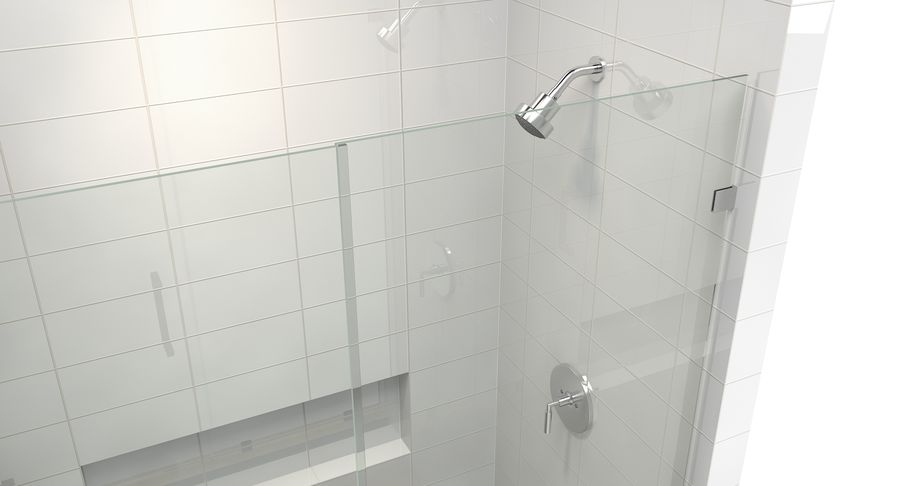
Not Suitable for Every Porch
Frameless glass systems were originally designed for shower enclosures, where surfaces are perfectly level and square. Existing porches are often less precise, which can make installation more difficult.
If the structure is uneven or out of alignment, installation can become costly, complicated or sometimes impossible without structural modifications. That is why frameless porch enclosures are not the right fit for every home.
Tags:
Disadvantages of Frameless porch enclosures, frameless porch enclosure, porch enclosure, porch enclosures
5 Reasons To Install A Porch Enclosure
Trying to keep the cold out during a harsh Canadian winter is a nuisance all Canadians are used to during the colder months.
Kicking the snow off your boots, trying to open the door with your gloves on and rushing inside as quickly as possible so as not to let the cold in are daily chores that can make winter seem unending. No matter how fast you manage to get into the house, it always feels like you’ve lowered the temperature in your house a few degrees and wasted all that central heating.
An enclosed porch is a fantastic way to not only combat the winter chill but also add value to your house and a range of other benefits.
Let’s take a look at the top five reasons you should get a porch enclosure this year.
Extra insulation during winter
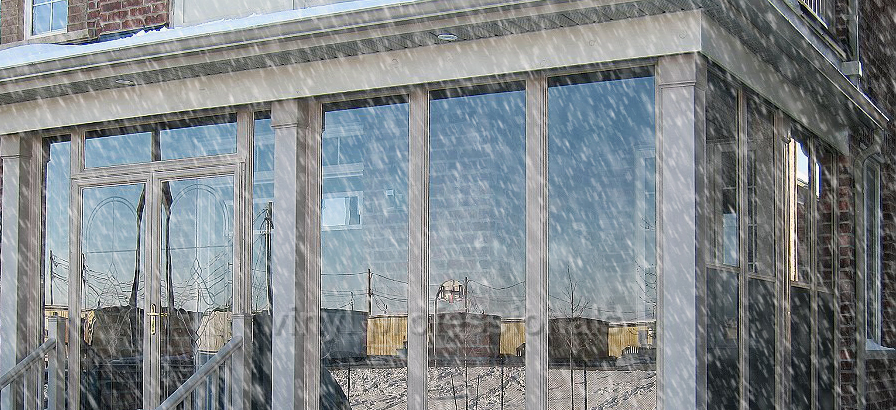
As mentioned above, the extra insulation an enclosed porch provides during winter is invaluable in making the seemingly never ending Canadian winter bearable.
A porch enclosure is a compact structure that attaches to your front and/or back porch and provides an air lock between the interior of your home and the cold weather outside. This allows you to enter the enclosed space, close the storm door behind you and then take your time to enter the house without losing any of the heat from inside.
The enclosed area is also a great space to allow you and your guests to kick snow off your boots to protect your floors inside, as well as an additional area you can get ready in before heading out into the cold.
Additional space
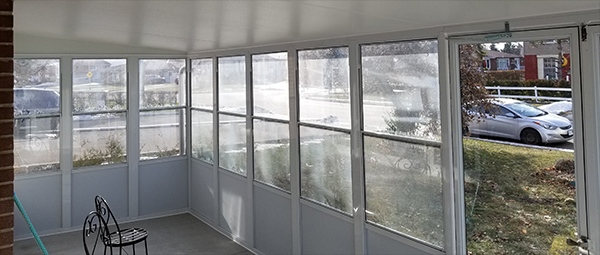
Installing a enclosed porch also gives your home extra square footage to utilize as storage for any number of things.
In the winter, a porch enclosure works excellently as a storage space for winter boots and coats, snow shovels and ice melt. This makes entering and leaving your home a much less cramped and less stressful experience during the winter, giving you ample space and time to get properly dressed and head out into the snow.
You also don’t have to worry about storing that messy winter gear in your nice hallway, avoiding the usual salt stains and general unpleasantness that usually accompanies the winter months.
Enhanced security
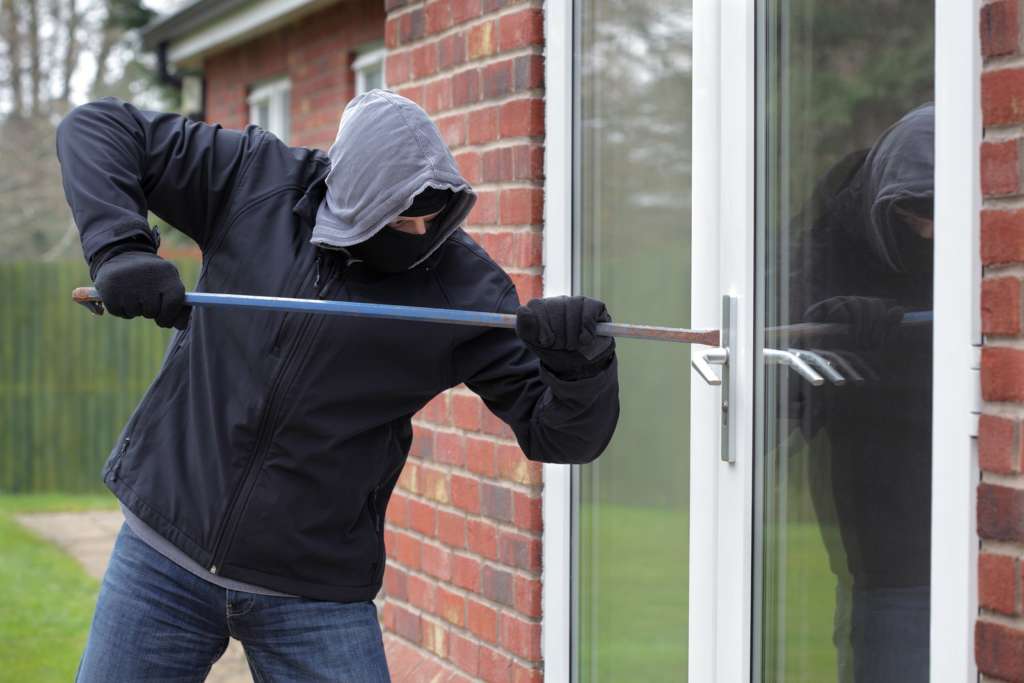
An enclosed porch is also a fantastic way to add an extra layer of security to your home.
The porch enclosure is an additional barrier between the outside world and your home. This protects your house from any intruders and allows you to screen any potential unwanted guests before you ever have to open your door. Additionally with expected drastic increase in online shopping Porch Enclosure will keep your delivered online purchases safe and secure.
Having an enclosed porch is also another deterrent to anyone looking to break into your home. Having to make it through not one but two doors to gain access to your home is likely more hassle than many would-be thieves would willing to deal with if they were looking to break in. With a Vinyl-Professionals porch enclosures, you can rest easy knowing you are getting the highest quality structure that will provide security for your family and your online purchases. Our commitment to quality is just another reason we are the best porch enclosure installation company in Toronto and GTA area.
Protection from Mosquitoes During Summer

An enclosed porch is also excellent value during the summer months as well.
While we all enjoy the longer days, warm nights and extra time outside during summer, one of the most annoying things is always worrying about those little annoying mosquitoes trying to ruin your day. A porch enclosure can not only provide you with a pleasant area to set up a seating arrangement, but it also allows you to get extra ventilation and sunlight while keeping those little monsters out.
Increased Privacy
Enclosed porches can also offer additional privacy for you and your family.
A porch enclosure acts as an additional barrier between your home and the outside world, meaning you can essentially consider it as an extension of your house. Depending on how you configure it, this can provide you with additional privacy and seclusion, giving you more peace of mind. You can install chord glass to allow for natural light to come in while obscuring the view inside. Or you could add a bit of visual flair to your exterior home door in Ontario and choose a frost glass option, allowing light and some visibility while still providing additional privacy.
All Vinyl-Professionals enclosed porches are built with 2” extruded aluminum profile, providing the best in insulation and security. Our porch enclosure doors can be customized to whatever you desire, including different handles, glass panes, and colors.
If you are looking to add thousands of dollars in value to your home and take advantage of all these benefits listed above, contact Vinyl-Pros today. Our porch enclosure experts will walk you through all of your options and help you design the perfect porch enclosure for you, guaranteed.
A porch enclosure adds comfort, improves security, and gives your home more practical space in every season.
Request a Free Quote
Tags:
Install A Porch Enclosure, porch enclosure, porch enclosures, Reasons To Install A Porch Enclosure
Fiberglass Doors: Maintenance Tips
An exterior fiberglass door combines the appealing qualities of a wood door with none of the warping problems that can result from water seeping into the wood. Fiberglass exterior doors do need periodic maintenance to keep up their protective finishes. Following some basic cleaning tips will go a long way towards preserving the life of your door.
Door Stain and Clear Coats
Fiberglass doors are initially stained with oil based colored pigments that can range from light blonde to deep mahogany and are meant to give them the appearance of genuine wood. They are then sealed with a clear coat that is similar to the protective urethane coats used on wood. Once the gloss on the fiberglass has started to become dull, this is a good indication it is time for a new coat.
While the difference from wood is that fiberglass will not lose its shape from wear and tear, its clear protective finish can eventually be worn away by direct sunlight, rain, wind, and other elements of nature.
Correct Fiberglass Cleaning
When the time comes to reapply a new coat of stain and clear finish to your fiberglass door, the first step is to make sure you are working with a clean surface. It is recommended to use a fiberglass staining and finishing kit, available at major hardware retailers. These kits should include a fiberglass safe cleaner; if not, check the manufacturer’s specifications for an approved cleaning compound. Do not clean fiberglass with soap or any other type of household cleanser; doing so can leave film and residue behind that will not allow the stain and clear coating to work correctly.
Some fiberglass staining and refinishing kits come with a small sample piece of unsealed fiberglass; this is meant to give you a guideline to help determine how much the clear coating on your fiberglass door has worn down. Apply a clear coating to the piece of fiberglass according to instructions and keep it indoors in a cool, dry place. Each year, compare the finish of this piece with that of your exterior door; this will give you an idea of whether the door itself needs a new coating.
Optimal Temperature
How hot or cold the surrounding air is can have an impact on fiberglass doors when reapplying stain and finish. Most door manufacturers recommend working out of direct sunlight and only in temperatures between 50 and 90 degrees. One option is to refinish your door inside your garage; just make sure to leave the garage door up for ventilation. Also try to avoid doing this project on windy days to prevent the new coats of stain from drying too quickly.
Light Vs. Dark Stains
Some fiberglass staining and refinishing kits specify different drying times between coats for light and dark colored stains. Follow these instructions carefully, since waiting too long or too short a time can result in a blotchy appearance on your door. Most fiberglass door stains have a minimum drying time of several days once you apply all coats of stain. After this, apply your final thin coats of clear finish.
Tags:
Fiberglass Cleaning, Fiberglass Doors, Maintenance Tips
How to choose windows
There are a lot of factors to weigh when it comes time to choose replacement windows for your home. Not only do your windows have to look good inside and out, they have to be durable, energy efficient and easy to maintain, all at a price that makes sense.
Installation Method
The first thing to consider is whether you should replace the entire window—frame included—or only a portion of it.
FULL REPLACEMENT
Generally a full replacement makes sense when the frame is damaged or when there’s potential for a significant improvement in energy efficiency. This option is more expensive because of the added material and labour involved, which can increase further with upgrades to interior or exterior trim.
PARTIAL REPLACEMENT (RETROFIT)
Alternatively, many homeowners choose to have only the window sash replaced. This cost-effective option leaves the frame and trim intact, which simplifies the installation process but may not deliver the same boost in energy efficiency as a full replacement.
Window Style
A comparison of the different types of windows will reveal certain advantages and disadvantages for each one, but ultimately the decision should come down to what makes sense for the room. Although your options might be limited by the size or shape of the existing window opening, you’ve still got a lot of choice.
ROOM FUNCTION
Often it’s the function of the room that will determine which type of window works best. Awning windows, for example, provide lots of ventilation while protecting the interior from wet weather, making them ideal for bathrooms.
Casement windows are popular choices for kitchens because of the same need for ventilation. It’s easy to operate the crank even if you have to reach over the sink, and the larger opening provides lots of natural light.
CLIMATE
Due to the variations in design and function, certain types of windows are inherently more energy efficient than others. Operable windows typically sacrifice some efficiency for the convenience of being able to open them. However, the savings over fixed windows is minimal.
Double hung windows, a traditional style often used to maintain the rich aesthetic of older homes, are well suited to most climates, but can lead to higher rates of air infiltration in excessively windy areas. Even with two sashes, though, double hung windows can be highly efficient if they are well made and properly installed. The use of warm-edge spacers and dual or triple glazed windows filled with insulating gas can also compensate for air leakage between sashes.
EXTERIOR
For rooms adjacent to confined or high-traffic areas such as walkways and patios, an inward-opening window offers the ideal mix of beauty and practicality. Sliding and hung windows are some of the most popular choices here because they still allow for air circulation and easy cleaning without infringing on your outdoor space.
If security is a top priority, you can opt for fixed windows in strategic areas, or equip your operable windows with an upgraded locking system. Our picture windows can also be combined with casement, slider and hung windows for ventilation and impressive styling without sacrificing security.
Can replacement windows and doors be installed in the winter?
Yes, absolutely. Replacement windows and doors can be installed in the winter.
To prevent heat loss, Vinyl-Pros installers take proper precautions by installing one window at a time. The windows or doors that we make for your home come already assembled from the factory and ready to install. Not only that but they are custom fitted to the size and shape of your existing opening in the wall, meaning that after removing the old window or door, the new one can go into the rough opening within a couple of minutes. This minimizes the time the old window/door is out of your home and before your new replacement window is installed. The out time for your window, if installed properly, should be no more than 10-15 minutes. As an added efficiency, all doors in the rooms are closed to prevent further drafts.
Although this window replacement prep work can be more labor intensive, it does not cost you more. In fact, winter window installation can save you money and time since labor costs and delivery times are faster in the winter.
Window installation by Vinyl-pros is a quiet process. If a window is being installed upstairs in the proper manner, you would not even hear the window replacement crew while watching TV in your den. The same goes for installing a new door.
Because we respect you and your home, the Vinyl-Professionals procedure is to have one window installer on the outside and one installer on the inside. This prevents bringing any residue like snow or mud into your home.
So, why suffer through another cold and expensive Canada winter when you can have new, beautiful, energy efficient windows or doors installed? These new replacement windows or doors help you to enjoy the rest of your winter in comfort while also improving the value of your home, making it more secure, better looking and reducing the outside noise.
Tags:
doors, installation, porch enclosure, windows
What’s the difference between a three-season porch enclosure, and a four-season porch enclosure?
In Ontario, this is one of the first questions homeowners ask—and for good reason. Our climate makes a big difference in how your porch enclosure should be built.
If you’re looking to create a true year-round living space, a four-season enclosure is required. This means full insulation, sealed construction and energy-efficient glass designed to handle cold winters. These projects must meet Ontario building code requirements and typically involve permits, higher costs and more complex construction.
On the other hand, a three-season porch enclosure is the most popular choice for homeowners across the GTA. It protects your entrance from wind, rain, snow and insects while giving you extra usable space from early spring to late fall.
It’s a clean, cost-effective solution that adds comfort, reduces drafts and improves the overall look of your home—without the complexity of a full addition.
At Vinyl-Pros, we specialize in custom-built three-season aluminum and glass porch enclosures, designed to fit your home perfectly and perform in Ontario conditions.
Tags:
installation, porch enclosure, windows
Window care and maintenance
How to Clean Your Windows:
GLASS
When cleaning either side of the glass, you can use any standard glass cleaner or mild detergent. Take care when scrubbing around the frame and glazing to avoid damage. For best results, use paper towel or a soft cloth that is clean and free of lint or other potentially abrasive materials.
Cleaning glass in direct sunlight can cause the cleaner to dry too quickly and leave an unsightly residue, so you will achieve better results working in cloudy or shady conditions.
VINYL
Our vinyl windows don’t require painting or touch-ups, but they will benefit from occasional cleaning with a mild cleansing agent such as warm soapy water. Avoid using abrasive materials or a high-pressure washer, which could cause damage to the vinyl surface. We also recommend avoiding harsh cleaning agents such as chlorine bleach, nail polish remover or furniture cleaner.
SCREEN
To clean your window screens, you can simply spray them down with a hose at low or medium water pressure. A mild soap and sponge or soft brush should allow you to remove any dirt or debris that has built up. When your screens are clean, be sure to rinse away the cleaning agent and wipe them down with a soft cloth or paper towel before reinstalling in the window.
What is condensation?
Is your glass “sweating”, is ice forming on the inside surface of your windows or doors? The problem is not your new windows, the problem more than likely is excess humidity in your home.
Humidity, which consists of warm air borne water vapor, is drawn towards cooler surfaces, such as your windows and doors. Surfaces that are below room temperature are more likely to show condensation.
What causes condensation?
When certain conditions exist, condensation can occur both inside and outside your home. The source of condensation is humidity, or air borne water vapor, which is present in all air. When this water vapor comes in contact with a cooler surface it will condense, similar to your bathroom mirror after you take a hot shower. Condensation can occur on windows and doors during the winter if the humidity level is high enough.
Do windows cause condensation?
No. Windows do not cause condensation; they simply are doing what they are designed to do. By keeping the warm air in your home the windows also stop the humidity from escaping and that humidity becomes visible on the glass.
What is temporary condensation?
Temporary condensation will not last long and will eventually disappear.
Temporary condensation can occur:
After baths and showers, laundry, cooking or dishwashing.
At the start of the heating season. Your home can retain moisture from the humid summer months.
When the outside temperature experiences drastic changes. A sharp drop in temperature, especially during the heating season can cause temporary condensation.
During construction or renovation of your home. Most building materials retain moisture during shipping or storage; this moisture can be released into the home but will eventually dry out.
What problems are associated with condensation?
Excess moisture in your home can cause not only structural problems but it also presents a health risk as well.
Problem condensation will show itself when:
The condensation remains on the windows throughout the day.
You can see condensation on the walls.
If you notice a musty smell in your home.
You notice mold or mildew on various surfaces throughout the home.
What steps can I take to reduce humidity in my home?
The two main things you can do are to control sources of moisture and increase ventilation. To decrease or control excess humidity and condensation:
- Closely monitor the furnace humidifier and any other humidifying devices.
- Be sure louvers and vents for the attic, basement and/or crawl space are open, adequately sized and cross-ventilated.
- Run exhaust fans for kitchen, bathroom and laundry rooms for longer periods.
- Make sure exhaust fans vent directly outside, not into attics or crawl spaces.
- Be sure chimneys are free and clear so moisture in combustion gases can escape.
- Follow the manufacturer’s instructions for venting gas appliances. In most cases, that will mean directing vents to the outside of the home.
- Make sure your furnace is in proper working order and is serviced regularly.
- Store firewood outside or in the garage – as wood dries, it gives off moisture.
- Open a door or window for several minutes each day to refresh the inside air.
- Open window coverings – such as blinds, shades, drapes and curtains – during daylight hours to increase airflow over the glass. Air out your house a few minutes each day.
Tags:
installation, system
Patio doors. Care & Maintenance
Operating your Patio Door
Your sliding patio door is designed with a locking handle for easy operation and security, The handle should be used at all times to properly open and close the operating door panel. The finger operated toggle switch located on the handle is used to prevent the door from opening. Therefore, by moving the panel to its fully closed position, and moving the toggle button to its opposite position, the latch mechanism will engage the jamb and secure the operating panel. Your door may also come with an optional trailing spring-loaded lock located on the center rail at either the sill or head position of the door. This is a simple trigger-operating device that offers additional security. Make sure you disengage and engage when the sliding panel is in a stationary position, otherwise you could damage the keeper or throw bolt if it is prematurely activated.
Cleaning your Screen
Your sliding patio door comes complete with a sliding screen. To clean your screen, remove it and lay it down on a flat surface. Apply a cleaning solution to the screen and let it soak for a minute. Rinse the screen using a garden hose, or other low-pressure spray.The operating panels of your patio door are equipped with rollers that move horizontally along a sill track. These tracks are exposed to outside elements and can collect dust, dirt, and debris. A semi-annual cleaning is recommended to prevent this material from disturbing the proper operation of your door. The roller mechanisms are self-lubricating – no additional lubrication is required. Your patio door is equipped with adjustable rollers to ensure proper installation and operation. If your patio door becomes difficult to operate, even after you have completed all of the above care and cleaning guidelines, do not attempt to adjust the rollers. You should contact your installer.
Cleaning Glass Surfaces
Apply a mild soap to the glass using a clean, grit-free cloth or sponge saturated with cleaning solution. Avoid using alcohol based cleaners and ammonia, which can cause streaking. Be careful not to damage glazing, frame finish, or insulating unit seals by overgenerous application of cleaners. Follow the cleaning solution manufacturer’s directions on the label for toxicity, handling, and flammability warnings. Wipe the cleaning solution on the glass in a circular motion, applying light to moderate pressure. If streaks appear, rinse the glass surface with clean water. Using a clean, lint-free cloth, wipe the interior glazing surfaces dry, including any interior frame or hardware components. This will prevent spotting or water damage.
Cleaning Exterior Frames
The exterior surfaces of your patio door frame may collect a layer of surface dirt over time, depending on your local environment conditions. Under most conditions, occasional rainfall should be sufficient to remove accumulated dirt on exterior surfaces. However, in conditions with smog, excess smoke or dirt, the exterior surfaces should be cleaned more regularly to prevent damage to exterior finishes and discoloration. Use a mild soap or diluted cleaning solution with clean, warm water, and wipe surfaces gently using a clean cloth, or pressure spray cleaner. Rinse surfaces thoroughly with clean water before soap or detergent dries.
How do I keep the rain out of my porch?
When you’re building your porch enclosure, make sure the floor is sloped correctly to prevent standing water. Although this won’t keep water from entering your porch, it can reduce the damage water causes to the contents of your porch by draining water away. Ideally, the floor should create a slight peak in the center so all water drains out the edges of the porch.
Tags:
installation, porch enclosure, security
Patio Door Maintenance Tips – Combating surface condensation.
Where surface condensation is evident it should be considered as a warning sign. However, each person has his or her own level of personal comfort and the amount of condensation they are willing to accept, to maintain that level. If the occupants insist on a high level of humidity within the house, surface condensation must be expected when outside temperatures are low.
Some indications of surface condensation are:
• Water or ice on windows
• Frost on door handles and hinges, or door frozen shut
• Fungus, mold and mildew growth
• Damp spots or mildew on walls and ceiling
• Damp spots or mildew on closet walls
• Moisture on light fixtures
• Moisture on water closets
• Delaminating of plywood materials
• Moisture on cold water pipes, walls and floors
• Ice or frost under roof sheathing boards
Why should you care?
If left unchecked, a condensation problem in your home may cause rotting, peeling of paint, and the deteriorating of insulation and even buckled floors. What can you do about it?
There are many possible solutions to the problem of condensation. If one solution doesn’t eliminate the problem, try another – or a combination.
Measure the moisture
Some humidity is necessary for comfort and health. With many houses it is a struggle to keep enough moisture inside the house and maintain an acceptable comfort level for the occupants. Frequently humidifiers are installed to add moisture to the air but their use must be controlled or surface condensation problems may result. Unfortunately a dry house may indicate a high leakage rate (depending on the amount of moisture added by the householder) and contributes to concealed condensation. In some of the new homes, however, air leakage has been controlled to such an extent that the problem really is how Ito get rid of moisture. Yet many householders go on adding moisture to the air. The danger signal of condensation on windows, mould growth, or the damp spots on ceilings and room-side surfaces of exterior walls do not discourage them. Because windows do not provide much resistance to heat loss, they are often the coldest component of a building enclosure, and can be an indicator of humidity problems. As condensation occurs on inside window surfaces, whenever surface temperature falls below the dew point temperature of the room air, it may be a warning signal to reduce the humidity in your residence.
What can affect the performance of your windows?
The following may cause condensation to form on a window at lower levels than given in the table.
Air Circulation
A window may be in an area in which there is poor circulation of warm air. This means that the temperature of the inside glass surface is colder than in other parts of the home and this may cause condensation to form at humidity levels which are practical for the rest of the home.
Drapes
The figures in the table below are based on natural circulation of warm air on the inside surface of the window. By drawing heavy drapes or Venetian blinds over a window or patio door the possibility of condensation can be increased because the flow of warm air is restricted.
Varying Humidity Levels
Remember that the humidity in some rooms, kitchens and bathrooms in particular, can be higher than in other areas of the home, thus encouraging condensation to form on the windows in these rooms.
Orientation
If windows are exposed to prevailing winds, then they will be slightly colder than the other windows in the home and may cause condensation to form at humidity levels which are practical for the rest of the home.
Exposure
Some windows in the home may be protected by other buildings, trees, etc., which form a windbreak while others are totally exposed to the wind and, therefore, colder.
Wind Chill Temperature
Traditionally this has been the method used to relate wind and temperature. Usually traditional temperature readings do not include a wind chill factor. For example, with an indoor temperature of 20 decrees C and an outside air temperature of -12 degrees C the table below recommends a relative humidity of 30 percent. However, with an outside air temperature of -12 degrees C and a 20 kilometer per hour wind the outdoor wind chill temperature is -26 degrees C and so the level of relative humidity should be reduced to 20 percent.
How to Control the humidity in your home?
Ventilation is the most effective means for the house resident to remove moisture. By exchanging some of the drier outdoor winter air for warm humid interior air the moisture level will be reduced.
Opening a door or window for short periods can lose air from your home in large amounts simply.
Gas appliances produce moisture from combustion and cooking adds even more moisture – be sure to run your kitchen fan while cooking. It is necessary to vent the kitchen fan directly to the outside to achieve the desired effect.
Showers are a high source of moisture. Bathroom doors should be kept shut and the exhaust fan must be running.
Clothes drying in the basement must be done in a dryer with an outside vent, hanging up clothes to dry must not be done in cold weather.
Shut off the furnace humidifier and any other humidifying device in the home.
If you have a fireplace, open the damper occasionally to allow moisture to escape.
Free air circulation is important. Do not cover hot or cold air registers. Leave bedroom and bathroom doors open.
Keep all rooms at minimum of 10 degrees C even if unoccupied. Condensation will occur in an unheated room.
Wipe up any tracked in snow before it melts and evaporates.
Floors wet from mopping can add large amounts of moisture. Run exhaust fans (bathroom and kitchens) while floors are wet. Do not wash floors on extremely cold days.
Most builders install a fresh air intake into the cold air return duct of the heating system. Make sure that the intake damper is open and that there are no obstructions to prevent airflow. If you do not have a fresh air intake, have one installed.
Caulk the perimeter of doors and windows to reduce air leakage.
Drapes and blinds should be left open during the daytime. At night leave Venetian blinds up off the frame to allow air to flow against the glass.
Tags:
installation, patio door, system
Convection
Window convection is a process often misunderstood by homeowners. Many people simply think it is the same thing as drafty windows. But window drafts and window convection are two different things.
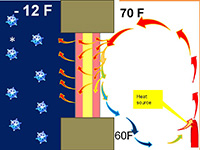
Window drafts are basically air flow in and out of the home through closed window spaces. Drafty windows are caused by many different things. Poor or cracked caulk jobs can create a draft, as can faulty or missing weather stripping. Even simply hung and slider windows, which already do not tend to seal as well as hinged windows with compression seals. failing to lock a window when it is shut can prevent it from sealing properly and cause a leak. This is especially true in double hung window.
Convection Different from Drafts
Some homeowners get new windows precisely for that reason, only to find that their new energy efficient windows feel drafty to them. Though it can be difficult to tell if it is
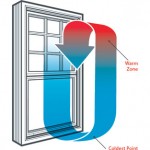
caused by convection or drafts, it is usually the former. Convection happens when air gives up its heat to the cooler surface of the glass and then sinks toward the floor upon being cooled. This movement in turn brings more warm air in toward the glass, which creates what appears to be a draft. What is occurring is the process of warm air forcing cold air to move owing to the density differences in the air at different temperatures. Heated air from your ductwork flows through the home and when it reach the window, it pushes cold air off the surface of that window and down toward the floor. Convection is proof that windows are working properly.
How to Combat Window Convection
To reduce the presence or frequency of window convection in your home, there are some things you can do. Leave your blinds or curtain slightly open to encourage warm air reach the glass. Remove all register air deflectors if its installed in your house. Promote a warmer glass surface and that cycle will not be as pronounced. Make sure heat registers are not blocked by tables, couches, or other furniture. Get good air flow and equalize air temperatures throughout the room. Of course, window replacement also helps, as reduced heat loss makes that inside pane temperature closer to the air temperature.
Tags:
doors, installation
Condensation explained
Does condensation build up on the inside of your home’s windows during the heating season? If it does, you’re not alone. Winter window condensation is a growing problem in Canada and its root has a surprising origin.
As homes are sealed better against air leakage, natural ventilation to the outdoors is reduced. As a result, indoor air becomes much more likely to contain damaging levels of moisture during winter.
If your windows sweat enough during the heating season to require periodic wiping with a towel, then you have a problem. And this problem goes beyond ruined window-frame finishes and mould growth on windowsills. It includes the very real potential for decay within wall cavities and attics, too. Window condensation can also be a sign of low indoor-air quality which affects your health.
Tags:
condensation, installation, system, windows
Quality replacement vinyl window
What is a replacement window?
Unlike a window used in new home construction, a replacement window is a window that is
custom built to fit into the opening of an existing window. It’s built to fit that opening precisely and can be installed without disturbing the interior and exterior trim. It can modernize and upgrade the design of the existing window and, in most cases, will provide additional strength and energy efficiency benefits.
Will my vinyl frame windows pay for themselves?
If you chose a high quality, energy efficient window such as the ones available from Vinyl-Pros, your initial investment can be recouped over time, through reduced heating and cooling costs. Numerous airtight construction features and advanced glazing in Vinyl-Pros window units do a much more effective job of sealing cold air out and keeping heated air in.
Why has vinyl become the most popular type of framing?
The technology of vinyl extrusion has advanced significantly over recent years, enabling it to become the material that is most energy efficient and easiest to maintain. Vinyl has proven to be practical as well as beautiful. Vinyl-Professionals used to manufacture windows with other types of framing material, but now uses vinyl exclusively.
What are the advantages of vinyl windows vs. wood or metal?
Aside from beauty and design considerations and general architectural preference, the major advantage of vinyl is the cost saving achieved through better energy efficiency. Another important factor is that homeowners never need to paint vinyl window frames, which results in a saving of both money and work.
All vinyl windows look alike, how do I tell the difference?
The major difference between Vinyl-Pros windows and lower quality vinyl windows is in the internal construction of the sash and frame. When looking at different products, ask your dealer to show you the structural components of the window and to explain how the window seals the airflow from inside the home.
What about glazing? Are all Low-e coatings the same?
No. There are different Low-e coatings that allow you to customize the glass performance based upon the location of the window in the home. Some coatings prevent more heat from entering, while others allow more heat to enter your home. This gives you the opportunity to control the comfort of each room individually, thus minimizing your energy consumption and lowering your costs.
Will vinyl frame window and glass units protect against forced entry?
If security is a concern, there are ways to maximize the security of your windows and doors. With the largest exposure to entry of a window or door being the glass, the latest concept available is laminated glass packs. These are designed to withstand multiple blows with a heavy object and still stay intact. Our laminated glass can withstand 30 to 40 direct hits with a baseball bat and not break out of the frame.
Can vinyl frame window and glass units reduce outside noise?
All windows and doors will reduce outside noise to some degree. If noise reduction is a concern, the best solution is to use Vinyl-Pros laminated glass. This will improve the noise reduction by as much as 100% over a standard glass pack.
Do vinyl window systems reduce condensation?
They can help control the problem. Moisture vapor in the air condenses when it comes in contact with a cooler surface. A high quality vinyl window system that incorporates the latest warm edge technology glazing will help to reduce condensation, because it keeps the edges at a more consistent temperature. When you minimize the hot and cold differences of the glass, you reduce the amount of condensation.
Tags:
installation, windows
We’re here to help
Still Have a Question?
Talk to our team about your windows, doors or porch enclosure project.
Windows, Entry Doors & Porch Enclosures — professionally installed across the GTA
Get expert advice, see real product samples and receive a clear, written quote — all at no cost and with no obligation.
 imunify-bot-check